Complete Guide | Zuluk Sikkim Tour Packages 2026
Most Sikkim itineraries follow a familiar loop — Gangtok, Tsomgo Lake, maybe North Sikkim if you have the days. Zuluk isn't on that loop, and that's exactly why it's grown a following of its own. It's a former trade-route village in East Sikkim where the road itself, not a lake or a monastery, is the main event: a stretch of 32 hairpin bends climbing toward Thambi View Point, with Kanchenjunga visible on a clear morning.
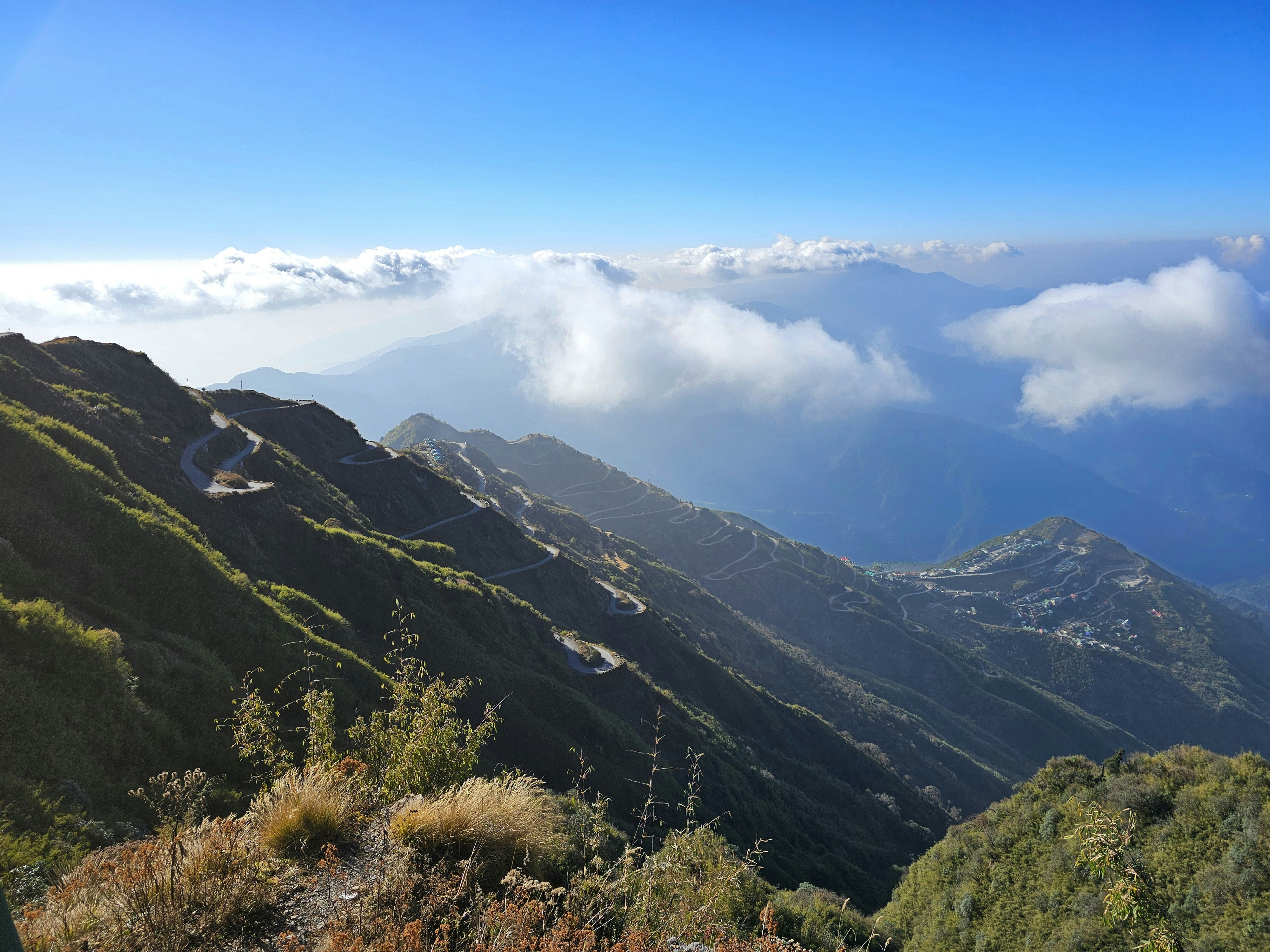
Before booking a Zuluk package, though, it helps to understand what makes this particular trip structurally different from a standard Sikkim tour — the permits, the homestays, the road conditions — because a package that looks similar in price and day-count to a Gangtok trip can involve a very different kind of travel.
Where Zuluk Is, and Why It's Not Like the Rest of Sikkim
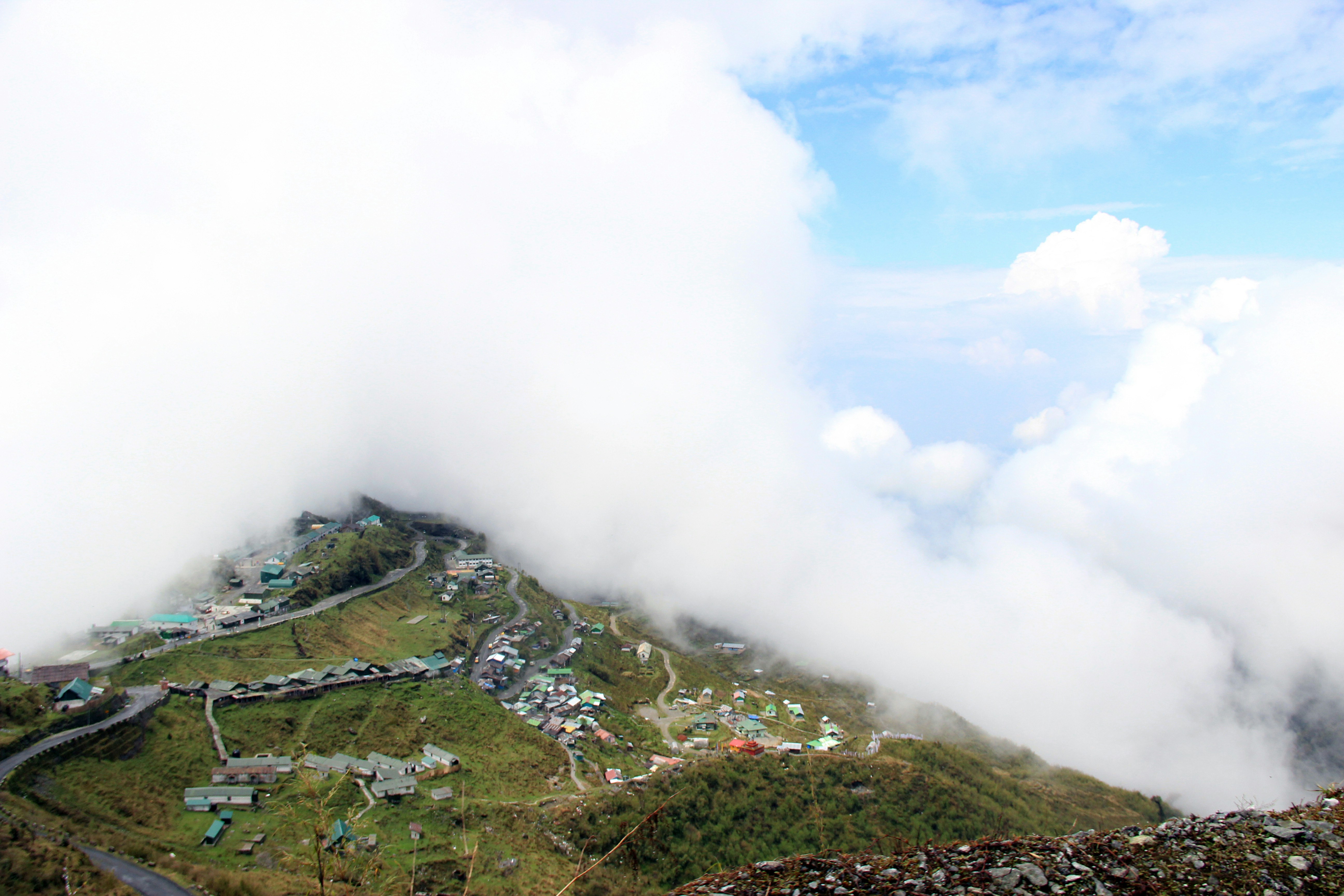
Zuluk (also spelled Dzuluk) sits at roughly 10,100 feet in East Sikkim, close enough to the China border that much of the surrounding area is a restricted zone. It was historically a transit point on the trade route between India and Tibet, and the winding road that once carried mule caravans is now the reason people visit at all.
It's about 90 km and roughly 4 hours from Gangtok by road, though the drive time depends heavily on conditions rather than distance — this isn't a route where you can reliably estimate arrival time from kilometers alone. There are two ways in: through Tsomgo Lake and Baba Mandir (scenic, but harder to get permits for), or via Rongli and Rorathang, which is the route most tour operators use because the permit process is more straightforward. If you're coming from Siliguri, NJP, or Bagdogra rather than Gangtok, you'll typically route through Rongpo — the entry point into Sikkim from that side — and then toward Rorathang and Aritar.
*Planning to explore Zuluk and other mountain routes? Check out our Sikkim car rental guide to understand vehicle options, permits, and travel requirements.
What a Zuluk Tour Package Typically Includes
Packages built around Zuluk usually run 3 nights/4 days to 5 nights/6 days, and the stops tend to follow a similar pattern even when operators brand them differently:
- Sillery Gaon or Aritar — a quieter halt, often used as a first or last night, known for Kanchenjunga views and pine forest rather than any single attraction.
- Zuluk itself — the base for exploring the hairpin road, with a local Nag temple and not much else in terms of built attractions; the surroundings are the point.
- Thambi View Point — the lookout above Zuluk where the full run of hairpin bends is visible, best at sunrise.
- Nathang Valley and Kupup Lake (Elephant Lake) — higher-altitude stretches included in longer packages, cold and stark rather than green, with old war memorials near Kupup.
A shorter 2-day/1-night version exists too, usually marketed as a "sharing" or budget package, but it only realistically covers Zuluk and the immediate road — not Nathang Valley or Kupup, which sit further up and need another day.
The Permit Situation (and Why It's Not the Same as North Sikkim)
This is where Zuluk trips genuinely differ from a Gangtok-North Sikkim itinerary. Because the area borders a restricted zone, Indian nationals need a Protected Area Permit specifically for this route, and it's processed separately from North Sikkim's Lachen/Lachung permit. It's commonly arranged at Rongli or the SDO office in Rangpo, using photocopies of a valid ID — a voter card, driving license, or similar — and it has to be handled by a registered agent, not booked or self-declared by the traveler.
Foreign nationals face tighter restrictions here and should confirm directly with an agency whether the route is open to them at all before planning around it, since access can change.
Because the permit is tied to the specific route and season, an agency that hasn't run this circuit recently may not know current requirements — worth asking about directly rather than assuming any Sikkim-experienced operator automatically has it covered.
Homestays, Not Hotels — And Why That Matters
Zuluk and the villages along the way run almost entirely on homestays rather than hotel-style accommodation. That's part of the appeal for a lot of travelers, but it also means simpler rooms, home-cooked meals set by the host rather than a menu, and inconsistent heating — some places have a room heater, many don't, and at this altitude that matters more than it would in Gangtok. If a package description just says "accommodation" without specifying homestay versus hotel, ask directly, since the comfort level is genuinely different from what a Gangtok-based trip trains you to expect.
Best Time to Visit Zuluk
The village is largely inaccessible during peak winter — heavy snow typically closes the road from around December through February. Outside that window:
-
March to June brings greener valleys and clearer mountain views, generally the more reliable season for road conditions.
-
Monsoon (roughly July–September) brings waterfalls along the route but raises landslide risk, and visibility at Thambi View Point can be poor on a rainy morning.
-
October to November is often considered the sweet spot — clear skies, cold but manageable temperatures, and good visibility for the sunrise views the route is known for.
Whichever season you pick, build in flexibility. Road and weather conditions here are checked closer to travel dates rather than assumed months in advance, and a good operator will tell you this upfront rather than promising a fixed itinerary regardless of conditions.
How Many Days Should You Budget?
A 3-night/4-day package gets you Zuluk and the hairpin road experience but leaves little room for Nathang Valley or Kupup Lake. If those higher-altitude stops matter to you, look at 4-night/5-day or longer itineraries. Travelers combining Zuluk with a broader Sikkim trip — Gangtok, North Sikkim — should treat it as a genuinely separate leg rather than a day trip tacked onto an existing itinerary; the road and permit logistics don't compress well.
*Adding Gangtok to your Zuluk itinerary? Explore our Gangtok local sightseeing guide to make the most of your time in the capital.
Choosing a Zuluk Tour Operator: What to Actually Ask
Beyond general Sikkim-agency criteria, a few questions are specific to this route:
- Which permit route do they use — via Tsomgo Lake or via Rongli/Rorathang — and do they handle the paperwork directly?
- Is accommodation confirmed as homestay or hotel at each stop, and is heating available?
- What's their contingency if the road closes mid-trip due to weather?
- Does the itinerary include Nathang Valley and Kupup Lake, or just the Zuluk stretch — and is that reflected clearly in the price?
Why Choose Safarnama Holidays
Sikkim isn't a destination you plan from a spreadsheet — it's one you plan with people who've actually driven its roads and dealt with its permit offices. That's the philosophy Safarnama Holidays is built on. Based out of Siliguri, the gateway most Sikkim journeys pass through, the team handles the parts travelers usually worry about most — permit paperwork, route planning around weather, and vehicle logistics for restricted zones like North Sikkim and Zuluk — so your trip is shaped around what you actually want to see, not around what's easiest to sell. It's less about being the loudest name in search results and more about getting the details right before you ever set off, because as the team likes to put it: the journey matters.
If you're comparing operators for this leg of your trip, Safarnama Holidays can walk through route options and permit timing for your specific travel dates before you commit to an itinerary.
Frequently Asked Questions
Do I need a special permit for Zuluk that's different from other Sikkim permits?
Yes. Zuluk sits in a restricted zone near the China border, so it requires its own Protected Area Permit, typically processed at Rongli or Rangpo, separate from the permit used for North Sikkim destinations like Lachen and Lachung.
Is Zuluk open all year round?
No. Heavy snow generally closes the route from around December to February. March–June and October–November are the more reliable windows.
Will I stay in a hotel in Zuluk?
Usually not — homestays are the standard form of accommodation along this route, with simpler rooms and inconsistent heating compared to hotel stays elsewhere in Sikkim.
How many days does a Zuluk trip need?
A minimum of 3 nights/4 days covers Zuluk and the hairpin road; add a night or two if you want to include Nathang Valley and Kupup Lake.
Final Thought
A Zuluk package looks, on paper, like any other Sikkim itinerary — a day count, a price, a list of places. In practice, it's a different kind of trip: a restricted-zone permit process, homestay-based stays, and a road that's genuinely the destination. Knowing that going in makes it much easier to judge whether a package actually covers what you want, rather than comparing prices on inclusions you haven't fully unpacked.